We accept 


Guaranteed Price Beat20% Off Australian Competitor Quotes - quote must be disclosed to us
1300 851 412CALL US
- Custom Made Products
- Custom Cufflinks
- Custom Ties
- Lapel Pins
- Custom Tiebars
- Custom Key Rings
- Custom PVC Key Rings
- Custom Metal Business Cards
- Custom Lapel Pins with Cards
- Custom Belt Buckles
- Custom Coins + Medallions
- Custom Embroidered Patches
- Custom Money Clips
- Custom Bottle Openers
- Custom Socks
- Custom Pocket Squares
- Custom Ladies Scarves
- Custom Golf Accessories
- Custom Bow ties
- Custom Stick Pins
- Custom Dog Tags
- Custom Bookmarks
- Custom Pilot Wings
- Custom Medals and Ribbons
- Custom Luggage Tags
- Footy Scarves
- Name Badges
- Custom USB
- Custom Lanyards
- Custom Coasters
- Custom Lapel Pins & Coin Spinners NEW
- Custom Year 12 Graduation Gifts NEW
- Custom Patches on Postcards NEW
- Custom PVC Lapel Pins NEW
- Custom Patch Lapel Pins NEW
- Custom Patch Stickers NEW
- Custom Woven & Embroidered Epaulettes NEW
- Custom Woven Epaulettes Medals NEW
- Custom Embroidered Patch Keyrings NEW
- Custom Caps NEW
- Custom Wine Charms NEW
- Custom Fridge Magnets – Metal-PVC NEW
- Custom Wine Stoppers NEW
- Custom Letter Openers NEW
- Custom Paperweights NEW
- Custom Token Keychains NEW
- Custom USA
No Minimum Orders
Small orders welcome
No Setup Costs
Don't waste money on setup costs
Free Artwork
Our talented designers are here to mock up your designs
- Corporate Gallery
- Custom Lapel Pins
- Custom Keyrings
- Agencies
- Contact
- Send a brief
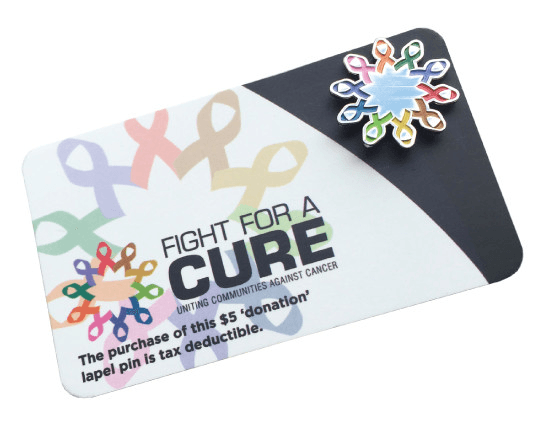
Corporate Gallery
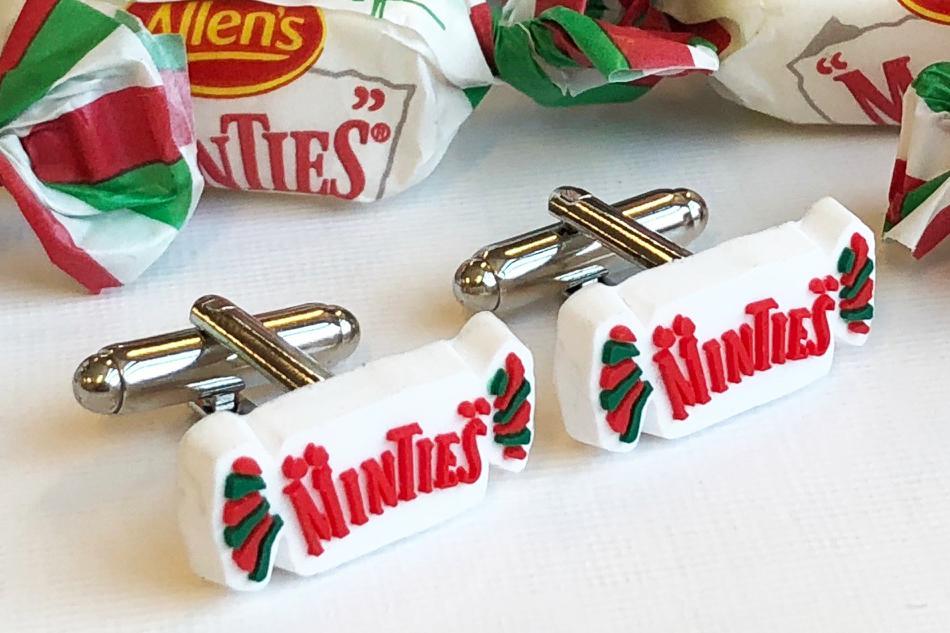
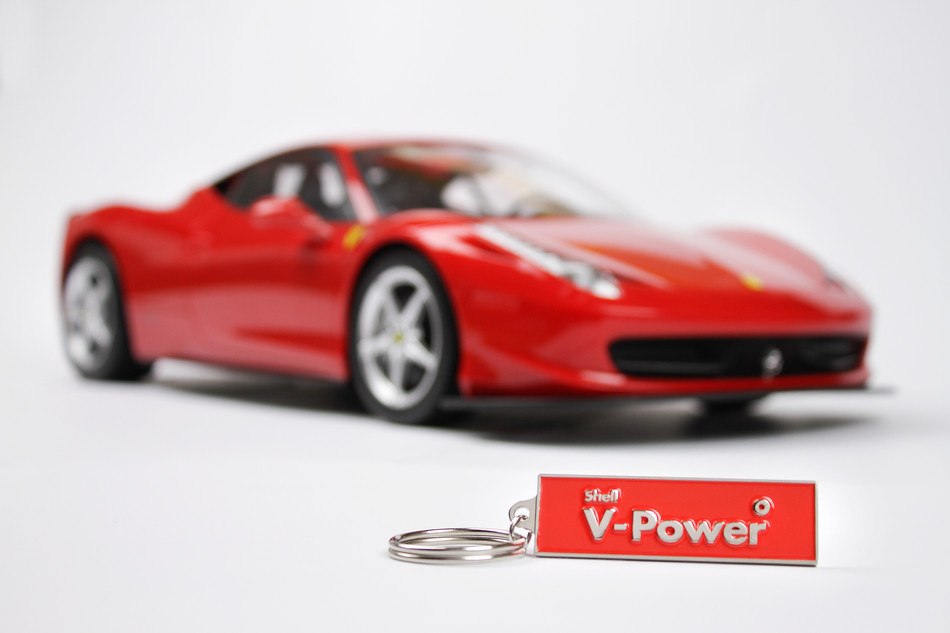
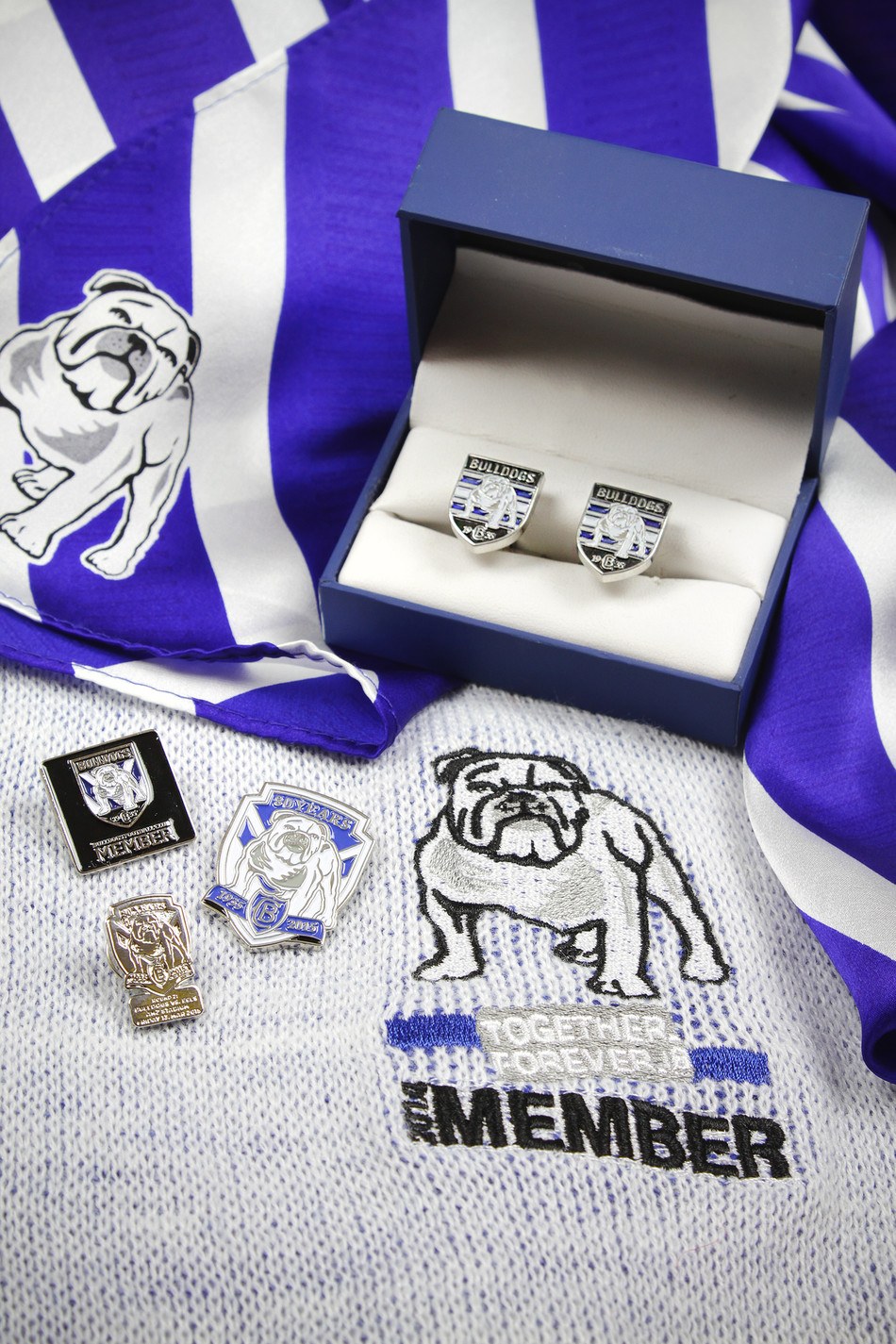
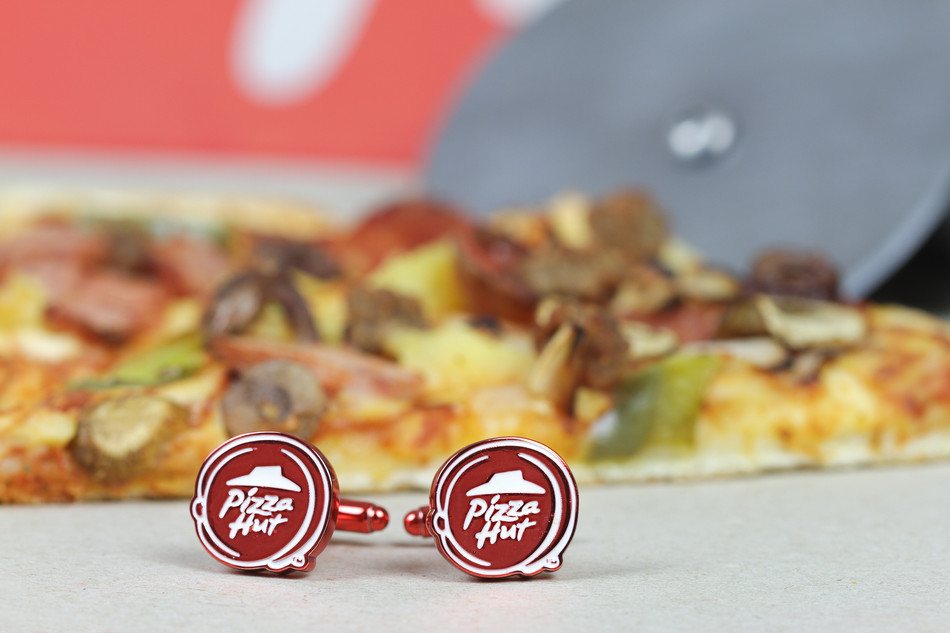
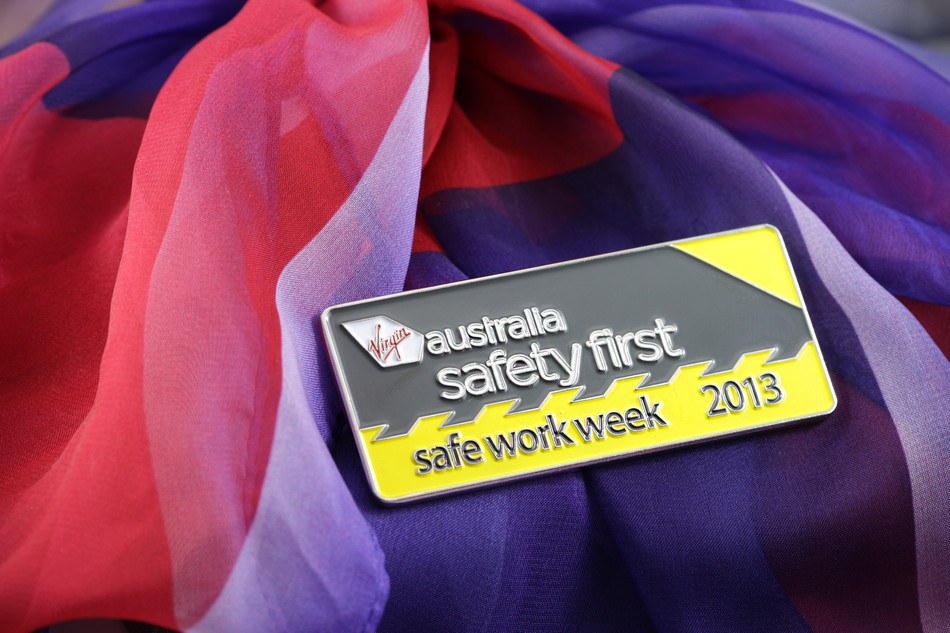
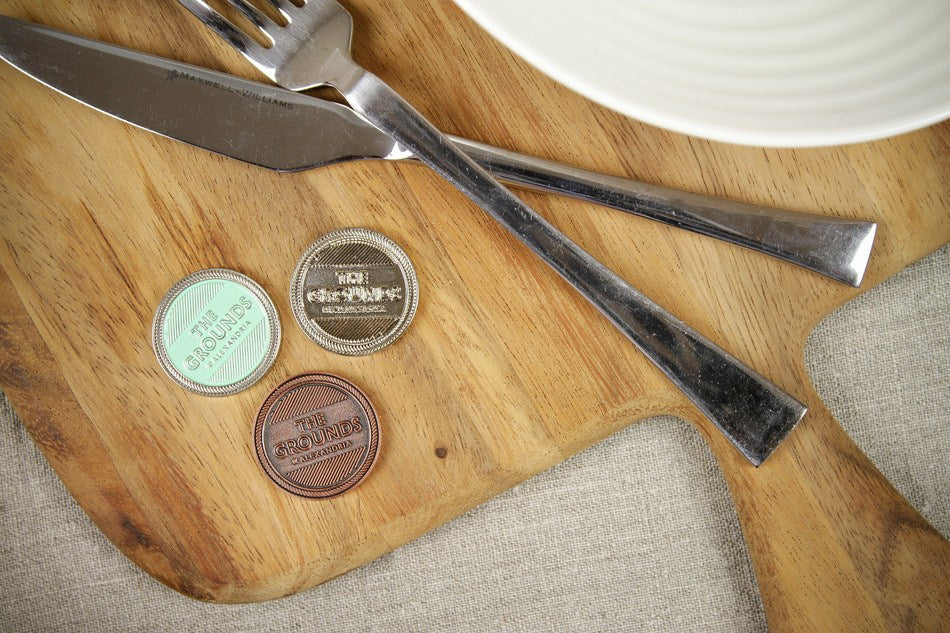
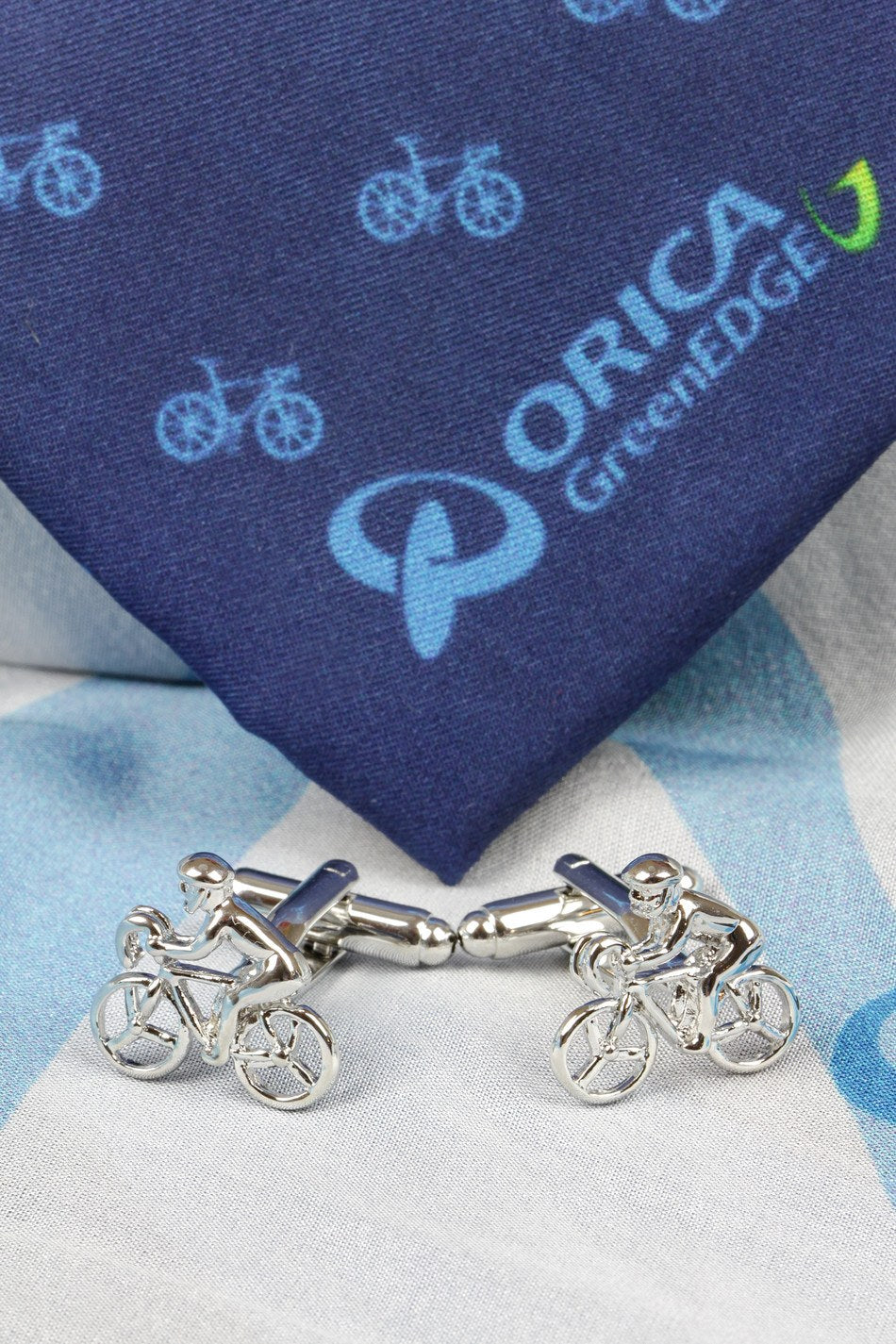
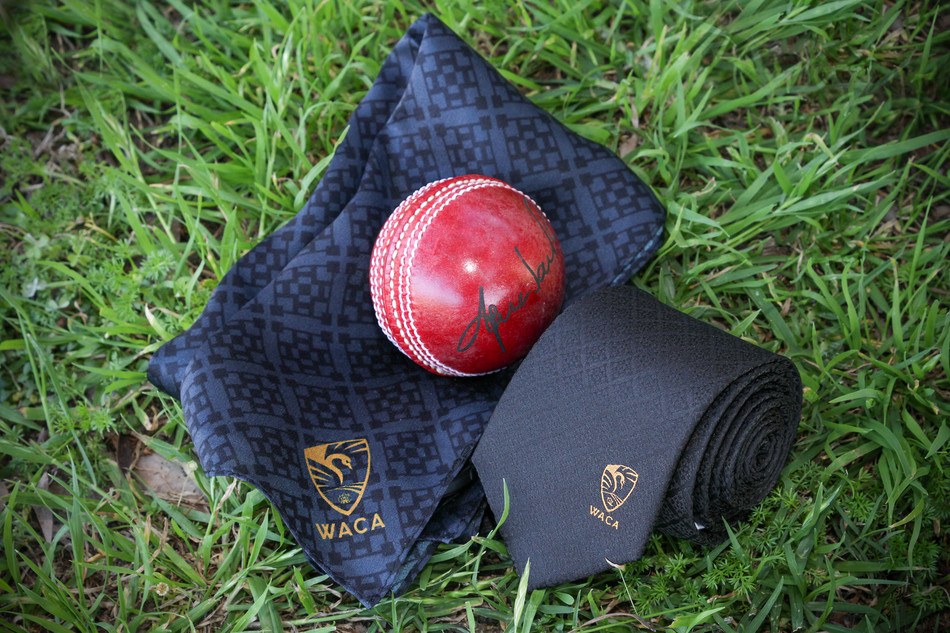
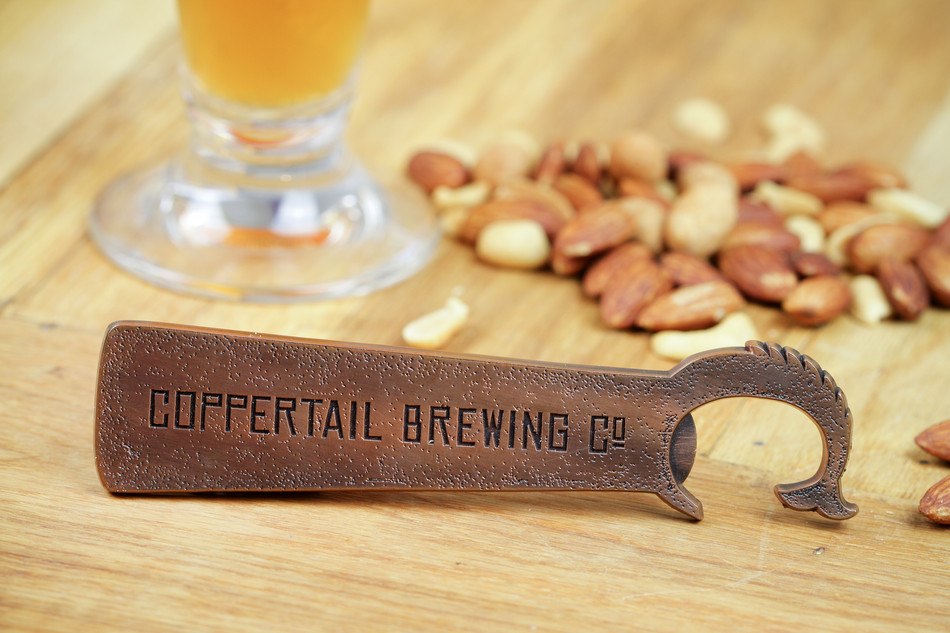
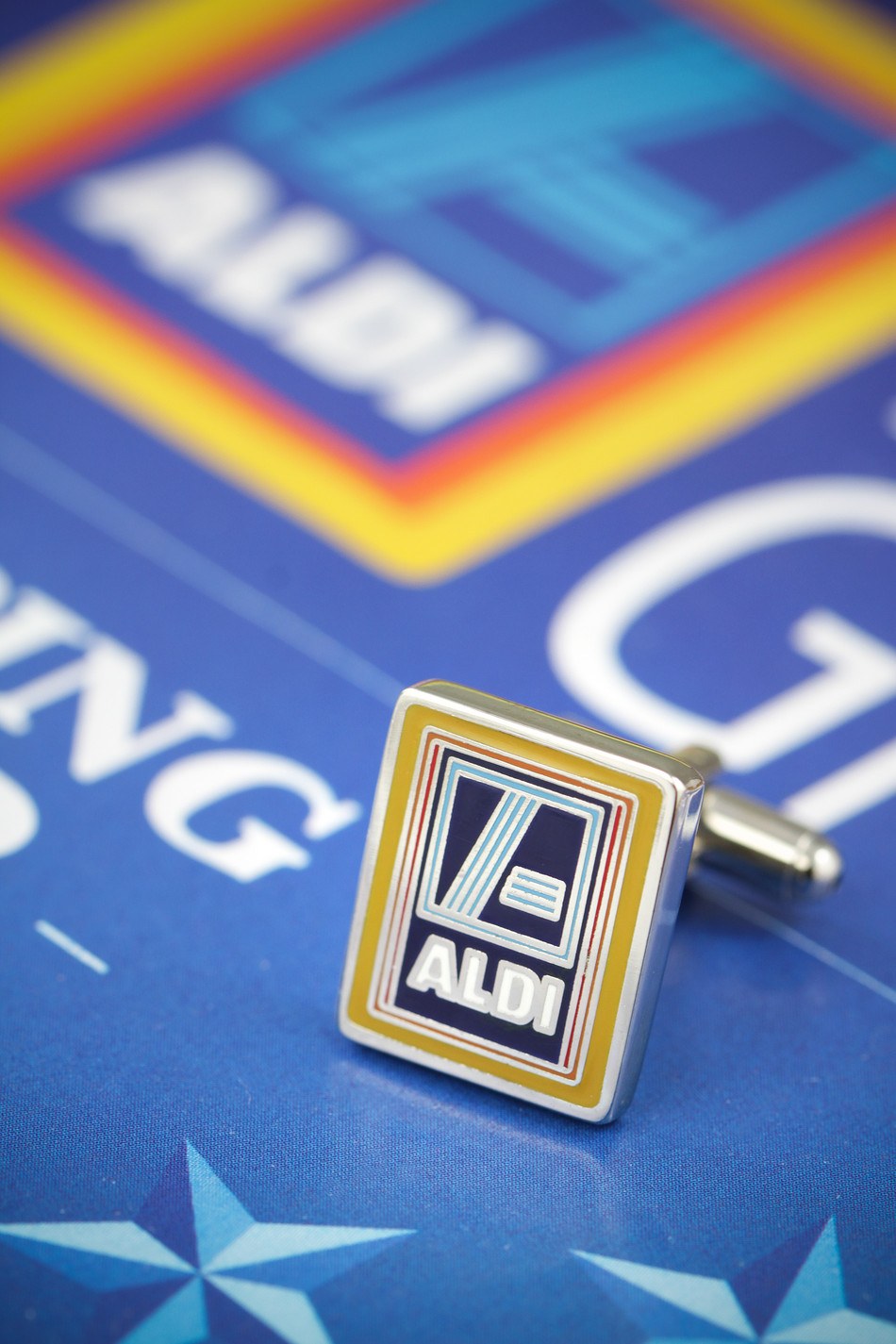
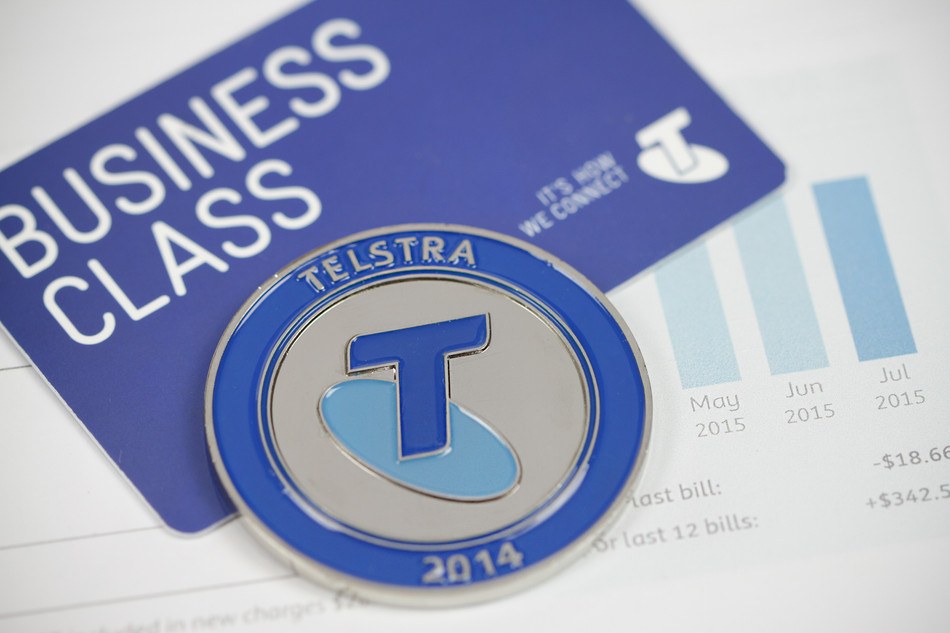
Happy Clients


Ties N Cuffs has been a custom corporate manufacturer for 11 years. We specialize in a range of custom corporate and accessories, We have maintained an efficient and professional process that has serviced our clients from beginning to end, and has allowed us to grow our cliental to what it is now. From your initial enquiry, you are contacted & we provide you with complimentary designs and quote on any product you are after within 24 hours.
A free sample pack is also arranged, so you have physical samples on hand to view. We work with you to generate the designs you are 100% confident with. With the quickest lead times in the business for each and every product, you will have your required product in no time. We take pride in producing the perfect product for you.


We always go above and beyond to help bring our customer's ideas to life and this is expressed in the below quotes.
|
Dear Andrew, Thought I would give you an update on how we went with the walk for stroke. We sold well over 100 of the pins prior to the walk. Will continue to sell the rest of the pins and raise more money. We had in excess of 200 people turn up on the day and raised $839.00 it was amazing. Once again and as I said at the walk speech we would not have been able to conduct the walk without your generosity and support. Greatly appreciated, can't thankyou enough. We will definateley be in touch early next year for the same badge just with the year changed.
Ron Chapman Stroke Awareness September 8, 2015 |
| Just writing to let you know I have received the ties already! They look fantastic! Thank you so much for doing such a great job and for delivering them to us before the deadline. Much appreciated, Daniela Daniela Marketing Coordinator IGT (Australia) Pty Ltd |
| Just wanted to let you know that the cufflinks and lapel pins were of an excellent quality and I am very pleased that we have used your company. Thank you for being attentive and quick to respond to my questions. I know this is only a small order but it is the first one from us We have sent a qty to our new Sales Company in Charlotte, North Carolina which is close to the other side of the world as you want to get! Cheers, Greg Greg Vice President - Sales and Marketing Genetic Technologies Limited |
| Steph, WOW! We completely love them, they're great! And your delivery arrived within about 1 day! Just Brilliant, we are really pleased with the overall product, and even more pleased with your customer service and relation! We will DEFINATELY be getting more from tiesncuffs! Thank you very much, Syn-Tek School |
| We thought.we need a quality item, we need it quickly and at a reasonable price. We had used The Shopping Network previously and had no hesitation using them again. Our Managing Partner was meeting with US Congress, and the quality of the lapel pin produced certainly met matched the high level requirements for such a high level meeting. The production, delivery and customer service greatly exceeded even our high expectations. Going to extra mile to meet our demands is the reason we will come back to you guys with our next order and refer other businesses also. Justin Operations Manager Corporate |
| Andrew/Christine I received the coins yesterday and Id just like to compliment you guys on a fantastic job, they look fantastic and the assistance that you guys have given has been great. You made the task of getting the coins produced so smooth and easy and the end product is exactly what we were after. I gave Rick (Elliots dad) his coin yesterday and seeing Elliot on the coin put tears in his eyes but he was extremely happy with the coins and the money they will raise for the charity. Just so as you guys know, the coins are being sold as a fundraiser for $100 each, So hopefully they will help us raise $10000, and they will also be the key part on ongoing charity fundraising through an Adventurers Coin Task where we will each have to have our coin with us at all times or face a fine in the way of a gold coin donation to the charity. Once again thank you so much for assisting with this. We hope to be able to channel business back through the Shopping Network to show our appreciation. Scott Corporate Fund-raiser |
| As a small and enterprising business we have utilised Ties and Cuffs for a number of promotions over many years. The teams service quality, responsiveness, attention to detail and service delivery is quite outstanding. Ties and Cuffs take the time to understand your business and create products that reflect your values and meet the needs of your clients. Simply outstanding capabilities and commitment to service. Stephen HR Corporate |
| Andrew and his team brilliantly transcribed our concept into well designed custom made cufflinks. Despite a tight schedule they delivered on time and at a competitive price. We will definitely be using them again when the need arises. Jane Director Recruitment |
| It's always a pleasure doing business with Ties N Cuffs, they have a great product range and excellent customer service. Would definitely recommend to other retailers. Casey Retailer |
| I just wanted to send you a quick email and thank you for your great service and prompt delivery. I was even more impressed with the final result, in particular the quality of the product and the laser engraving & embroidery. I am very excited about presenting these quality products to our players. Thanks again and we look forward to doing business with you again in the future. Greg - Accounts Manager Cricket Club |
| This is a very belated thank you for all your assistance with our order of cufflinks and lapel pins to give to the final students and teachers at St Josephs. They looked great! Many thanks to you and all the team at Ties n Cuffs for a job well done. I look forward to working with you again in the future. Marnie - Public Relations School |
| "The service at Ties n Cuffs has been exemplary, well organized, on the ball and willing to help with our request. The product was exactly right and beautifully made. Well done. Thank you for your wonderful service" Eleanor - Promotions Officer Corporate |
| I have no hesitation in recommending Ties n Cuffs to anyone one looking for custom made tiepins, cufflinks and the like. We are thrilled with the end result (company tie pin) and I am personally thrilled with the service, from the first enquiry through the design process to the end product and invoicing. The staff at Ties n Cuffs were patient and helpful, particularly as I was new to the company and wanted to make a good impression they certainly helped me do that. GD Georgie - Admin Support Corporate |
| Tiesncuffs was fantastic in producing the scarf and pin which I customized for my business. It made designing a uniform very easy and the process was simply and fast. I would recommend their services and will continue to use them in the future. Rosemary - Marketing Manager International Corporate Customer |
| Thanks ties n cuffs for your personal service and drive to meet our deadlines and quirks; we certainly provided gifts that drew attention. The ideas are great and the personal assistance to create products that were just right for the occasion was a welcomed bonus! Sharon - Education & Policy Manager Association Victoria |
| Just a brief note to advise that I am delighted with the quality of the product and you and your teams great customer service. Stephen, HR Corporate |
| We needed to arrange some custom lapel pins for some of our members and after a few discussions, settled on Ties n Cuffs. We are very happy with the service that we have received to date, and of the quality of the custom goods that we ordered. Having never ordered anything like this before, it was fantastic to have such excellent assistance from start to finish. Thank you. Richard, Training Consultant Corporate |
| I would like to thank Ties and Cuffs for their fast courteous service to Where The Party Starts This was our first buying experience with Ties and Cuffs and from when I first applied for wholesale access to placing and receiving my first order I must say it is great to deal with a company that not only supplies great products but also the communication I received was fantastic. I received my order very quickly and look forward to purchasing from Ties and Cuffs again. Thanks to the whole team for such a great experience. I look forward to my next order. Narelle, Director Marketing |
| We used Ties n Cuffs for an important event, with some very tight production deadlines. The team at Ties n Cuffs were efficient, extremely helpful and very cost effective. They turned around our order very quickly and with a great personalised service that I would use again Helen, Marketing & Communications Director Corporate |
| Excellent service and good quality products, thank you Andrew. Your service ethic is second to none in the supplier stakes. MIA was extremely happy with the design of the scarves and ties. Many thanks and well done. Your Platinum Australian Customer Service Award is well deserved Daphne, Creative Director Promotional Company |
| Once we decided to engage Tiesncuffs to order ties for my real estate office, it was a tough decision with what style and quality of product to go with. After one email, I received a call from Christine who moved the world to ensure that we got the ties we wanted. After a couple of design discussions and only two weeks later, we had the ties arrive in the mail. The ties were of the highest quality, well made and above all, our personal logo was meticulously presented. I would highly recommend the team at Tiesncuffs as they went beyond the call of duty to satisfy our needs. Andrew, Lisa, Chris and the team keep the good work up! Great to finally see quality ties out there on the market! George, Director Real Estate |
| We would like to thank you for your prompt and efficient attention to our order. We were on a tight time line and you were accommodating and delivered our required order well before the necessary date. Thank you for your service. Renee, Operations Manager Real Estate |
| We purchased custom made ties from ties n cuffs. The service was excellent. They gave us lots of sample designs and sample materials to look at. They were willing to modify on request, and would always do within a short turn around. The ties arrived sooner then expected and were of a very high standard, and were of a great price! The whole process was quick and easy. We will be looking to use ties n cuffs again in the future. Jayne, Ticketing and promotions coordinator Sporting Venue |
| TNC have been very professional and friendly and the staff work hard to make sure you are going to be happy with the end result. Top quality product and staff. David, Learning Co-ordinator Technology College |
| I would like to take the opportunity to recommend your services to others. We are very happy with the scarves and ties supplied by you and also the service during the ordering and delivering. You kept us informed at every step and followed through to check that we were happy with the product. We are only a small office but you treated us as if we were a major client. Janelle, Office Manager Real Estate |
| Could not have asked for more, excellent service, high quality product, competitive price and prompt turn-around. Ian, Director Corporate |
| Thanks for the quick response and professionally handled transaction recently. Ties look great! It was a pleasure doing business. The communication on delivery was great also. Jason, Director / Auctioneer Real Estate |
| The ties arrived today and are perfect. Thank you and your staff for the prompt and efficient service provided and attention to detail to ensure the ties were exactly what we wanted. Also I appreciate you keeping in touch throughout the process. Faye, Executive Assistant NSW Council |
| Our Annual Conference was a great success with all the Members turned up proudly wearing their new lapel pins. We also made some sales from our new merchandise shop of the ties and cufflinks you designed for us. And all the Board are wearing them they look great. Thanks so much for the great designs you did for us and for the speedy turnaround. Lisa, Creative Services Manager Corporate |
| While there are many businesses out there that know how to be nice to you when you present them with a profiting offer, ultimately what matters most to the client is are you getting your moneys worth? Of the numerous businesses that I've had past dealings with, I can easily say that Ties n cuffs give the most reasonable value for money when it comes to standard or custom orders. While at the same time maintaining all the basic attributes that is expected of any business such as polite and friendly attitude, offering a variety of methods for payment, no excessive waiting for goods to arrive, keeping you well updated as the situation unfolds and saying it as it is without making too many dramas. As far as value for money goes especially with custom orders, most businesses out there will require a minimum amount produced, usually of anywhere between 30 to 100 units plus setup costs. For many potential client's these amounts are not only unnecessary but a very cost demanding and ultimately it covers the sellers needs hardly the client's. With Ties n cuffs you just pay the setup fee and for whatever quantities you need, so if you only ask for 12 then you only pay for 12, simple enough? I would most certainly recommend them at the very least to anyone who needs custom coins or medals in variable quantities, but also to anyone who is just out to buy custom pins, medals or coins in general. They have a wide range of pre-made items and they certainly know how to take on the pricing competition. But in general whatever may take your fancy, you can rest assured that at the end of the day, you will get your moneys worth, which is as it should be. Filip Private Buyer |
| ties'n'cuffs did a fantastic job providing us with custom made ties and scarves for our staff. We wanted a really modern, professional look and the result is just that. Simon, Marketing Manager Club |
| Thankyou so much for getting our order of lapel pins to us so promptly. They arrived safely & in plenty of time for our special event. Loved the design. It was just what we were looking for. Amanda, Manager Corporate |
| It was a pleasure dealing with Adnrew and the team at Ties n Cuffs. The service from the stage of our enquiry was spot on and the product was exactly what was represented. I have to commend you on the focus towards customer satisfaction, the multiple design changes that were requested were never a problem and promptly attended to until we were fully satisfied. People are sometimes skeptical dealing with an unfamiliar provider off the web but I must confess that we were extremely impressed with the whole process and the finished product which was on budget, on time and better that we ever expected! Paras, Executive Dircetor International Airline |
| Ties n Cuffs really went the extra degree to ensure that my expectations were met in regards to price, quality, customer service and delivery. In particular I was very pleased by the way they handled last minute changes and special requests. As my companys philosophy is about going the extra degree, Ties n Cuffs are the perfect partner. I will definitely be utilising their services again! Andrew, Manager Promotional Company |
| I am really impressed with ties and cuffs operation, top quality product. Smooth, easy to use system. Highly recommended. Greg, Business Owner Real Estate |
| Great service, excellent designs and sharp pricing Director Corporate |
| The service provided by the TiesnCuffs team was fantastic. They agreed to work within my tight deadline and did so quite happily. The products were delivered early and were of a high standard. I would have no hesitation in using the team again Rebecca, Marketing Communications Coordinator Airport |
| When asked to design a corporate tie for our school recently I really didnt know where to start. After contacting Andrew form Ties n Cuffs the task became so much easier. The professionalism, service and advice was fantastic, the finished result far surpassed my expectations. I would not hesitate to recommend Tie n Cuffs to any company. Linda School |
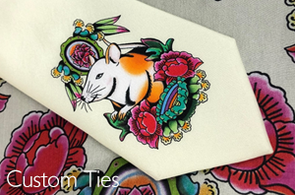
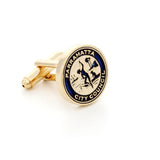
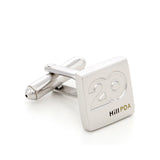
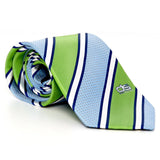
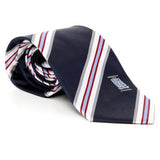
In the past few years we've custom made hundreds of neck ties and to demonstrate some of the quality and various types of customisation we can achieve, here's a portfolio of some of our work. These custom made ties were used for both work and pleasure so you get the idea that custom made ties are not just for corporate branding but they make great gifts too. For a full quote just give us a call or check out our online quote form.
Neckties
|
|
|


Cufflinks
|
|
|


Lapel Pins
|
|


How long have you been in business?
We started our business in 2004 and have serviced over 50,000 Australian customers and businesses.
How many staff do you have?
We have ten full time staff.
What country are you located in?
We are located in Sydney, Australia - Our office/warehouse is located at
Level 1, 5 George St North Strathfield NSW 2137
Is your warehouse open to the public?
Yes it is - please call before heading in to make sure we have what you are after on site.
What are your business hours?
We are open from 8.30am to 5pm Monday to Friday - we are open by appointment on weekends - please call Andrew 0410 007 200.
Can we call your company?
Yes you can call us at any reasonable time on 1300 851 412 or 0410 007 200 including weekends. (Australia)
Do you charge sales tax?
GST is included in our prices.
I do not know if my payment has been accepted, what do I do?
Check your inbox or junk mail for a tax invoice or contact us via phone 1300 851 412 or email us at info@tiesncuffs.com.au
How can I view my past purchases?
You can log in and see old orders since 15th of July 2012.
Can I use more than one promotional code at a time?
No, only 1 promo code can be used at a time. Please use the code with the highest discount offering offering to get the best saving on your purchase.
What forms of payment do you accept?
Ties'n'Cuffs currently accepts Visa, Mastercard, American Express, Paypal Payments, Zip Pay and AfterPay and we even take orders over the phone and via fax.
I forgot my password, what do I do?
Enter your email address at on the login page and then click on Forgotton password? Your password will be sent to your email address.
What is your returns policy?
If you are not completely satisfied with the manufacturing quality of your product, Ties'n'Cuffs is happy to refund your money, providing the product is returned to us in its original condition and undamaged, including the outer packaging 30 days from purchase. We will not refund you back any cost in sending us back the returned goods. No refunds will be made for sale or personalised products.
We do not refund or exchange on any custom made or personalised products, and we do not refund or exchange any sale items.
Is it safe to order online?
Online shopping is rapidly becoming a worldwide choice for convenient shopping. All credit card transactions are completed via Paypal hosted gateway. When our order form asks users to enter sensitive information (such as credit card number), that information is encrypted and protected with the best encryption software in the industry - SSL 128-bit encryption (Secure Socket Layers). Once your transaction has been completed in this secure environment, your credit card details are not stored. This is why even if we recognise you during your next visit, you will have to fill in your credit card details again.
What is your privacy policy?
Ties'n'Cuffs is the sole owner of the information collected on this site. We will not sell, share, or rent this information to others in ways different from what is disclosed in this statement.
You may, from time to time, receive information from us about new products and special offers we think you'll like. We won't share your email address with other companies. If you'd like to opt out of receiving future emails from Ties'n'Cuffs, follow the procedure outlined in the Opt-out section of the email.
Do you ship to military addresses?
Yes we do.
What are your shipping options and fees?
- Free Express Post $12.50 (next day metro) traceable *some states may require an additional day (WA, NT, SA and TAS)
- Free Pick up from our Sydney Warehouse (most products-please call ahead to confirm if your order is ready)
Delivery times will vary from area to area. All credit card+ Paypal payments clients will receive items within the next 1-3 working day via Australia post or DHL depending on shipping method selected above. Orders are generally processed the day they are ordered. For all other payment methods we will dispatch the item as soon as we have confirmation of your payment. Most areas will receive the item within 5 working days.
This excludes custom made products as per product descriptions. Check product descriptions for lead times.
If an order is urgent, we can arrange a courier at you own cost or drop in to our ware house at D8 101 Rookwood Rd Yagoona NSW 2199 - call before leaving on 1300 851 412.
Note: Express post shipping cut off 4pm.
Can I place an international order?
International Shipping via DHL
- NZ Air Express is $15 AUD
- USA Air Express is $25 AUD
- UK Air Express is $25 AUD
- Canada Air Express is $25 AUD
- Singapore and Hong Kong Air Express is $25 AUD
We suggest if ordering from the listed destination countries to order a couple of products to amortize shipping costs.
Sorry but we are currently not shipping to any other countries outside Australia, USA, UK, NZ, Canada, Singapore and Hong Kong in China.
How can I find out when I will receive my order once I have placed it?
You will be notified via email of your shipping code as soon as item is shipped.
The product I ordered is on backorder. Is there an additional charge?
There is no additional charge for products on backorder. We will notify you when it is back in stock.
Can I check the status of my order?
You can log into our site with your username and pw and check status of your order. If you have order as a guest please feel free to call us for an update on your order 1300 851 412.
What is your warranty?
Faulty products are covered for 3 months . No refunds will be made for incorrect choice. All our products are the 100% genuine name articles. We are 100% satisfied with our quality that we will refund your money completely if you are not 100% satisfied with the authenticity of the product.
How can I get technical support?
For technical support, please email info@tiesncuffs.com.au
Why do I need to provide my email address?
Your email address is required to email you your invoice and order status. It is also used to contact you about the services on our site for which you have expressed interest.
Why do I need to leave my phone number?
This is optional, but is encouraged so that we have another means of contacting you regarding an order.
What are the Terms and conditions of purchases from this site?
Ties'n'Cuffs accepts no responsibility for any loss of, damage to, late delivery or non-delivery of goods ordered from our web site. To the maximum extent permitted by law, you agree to release our carriers from any liability relating to loss of, damage to, late delivery or non-delivery of any goods you order from this web site and to assign all rights to claim compensation or insurance against our carriers to us and expressly and irrevocably do so.